Drawing of Facebook founder Mark Zuckerberg prompts accusation of antisemitism
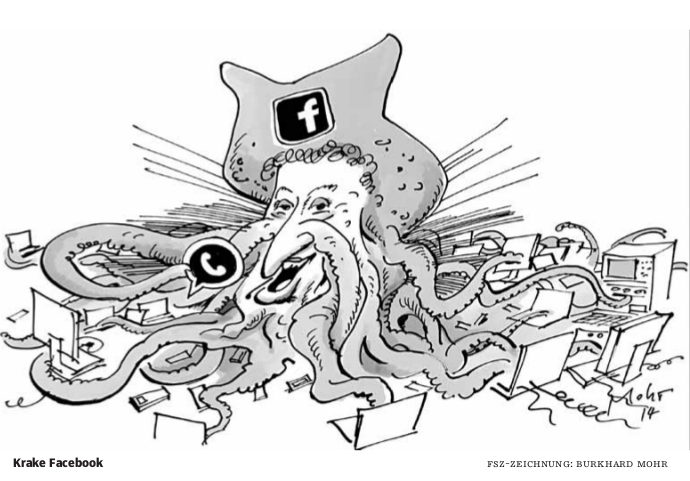
In a cartoon published by Germany’s Süddeutsche Zeitung, Burkhard Mohr drew Facebook founder Mark Zuckerberg as an octopus reaching for internet companies. The cartoon criticised Facebook’s purchase of WhatsApp.
Several papers reported that the head of the Simon Wiesenthal Center had accused Mohr of antisemitism. In The Jerusalem Post, he compared the prominent nose and octopus imagery to a 1938 Nazi cartoon that depicted Winston Churchill as a Jewish octopus encircling the world. Zuckerberg, who is Jewish, does not have the prominent nose shown in the drawing, he said.
Mohr, born in 1959, wrote to The Jerusalem Post to apologise. He said antisemitism and racism were alien to him, that the criticism shocked him, and that the last thing he would do was vilify anyone for their nationality, religion or origins. He rejected the description of the drawing as anti-Jewish agitation and said the octopus was inspired by Pirates of the Caribbean.
His subject, he said, was Facebook as a company. He regretted the misunderstanding and the hurt the drawing had caused readers.
Sacha Stawski, head of a German media watchdog, told the same newspaper that citizens had every right to worry about Google or Facebook intruding on their privacy. An octopus reaching into many areas of private life could express that concern, Stawski said.
The objection, Stawski continued, was to giving the octopus a human face with features the Nazis associated with Jews, particularly a hooked nose. In that reading, a legitimate caricature of Facebook became an antisemitic depiction of Zuckerberg reminiscent of Der Stürmer, which portrayed Jews as octopuses, snakes and spiders.
For us, the episode raises a question about the scrutiny cartoonists and journalists in Europe and America face when their subject is Israel as a religious state, or a Jewish individual, including someone who identifies as an atheist, as Zuckerberg did. Must cartoonists check the religion of everyone they draw, think three times before drawing a Jewish subject, then search Nazi-era archives for a possible resemblance?
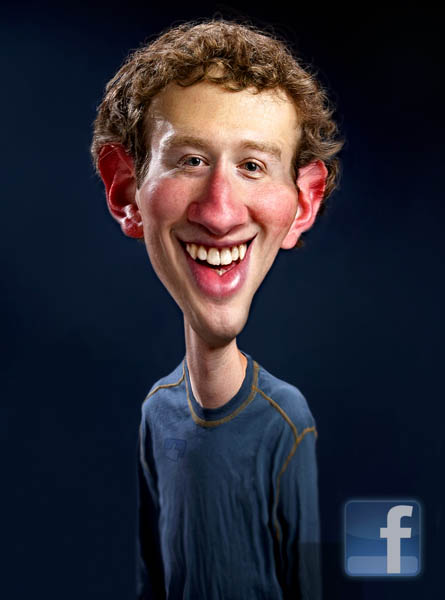
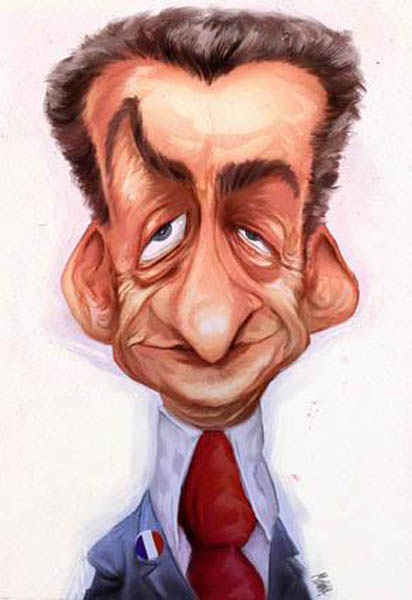
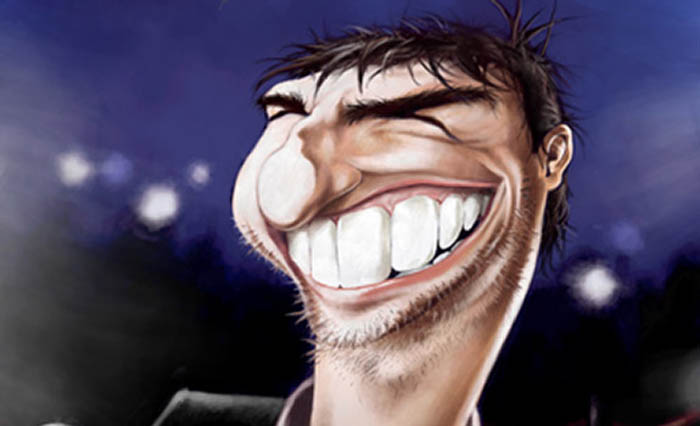
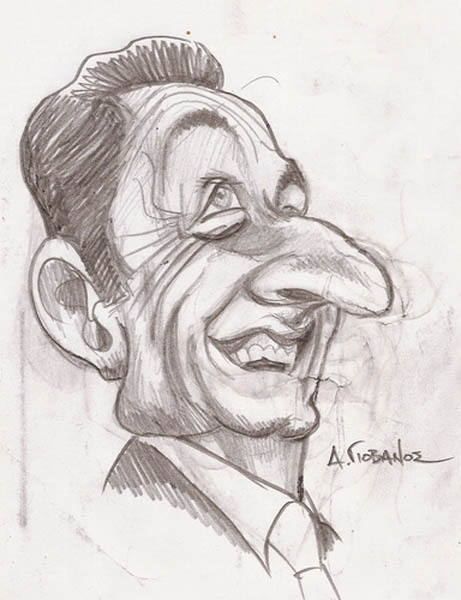
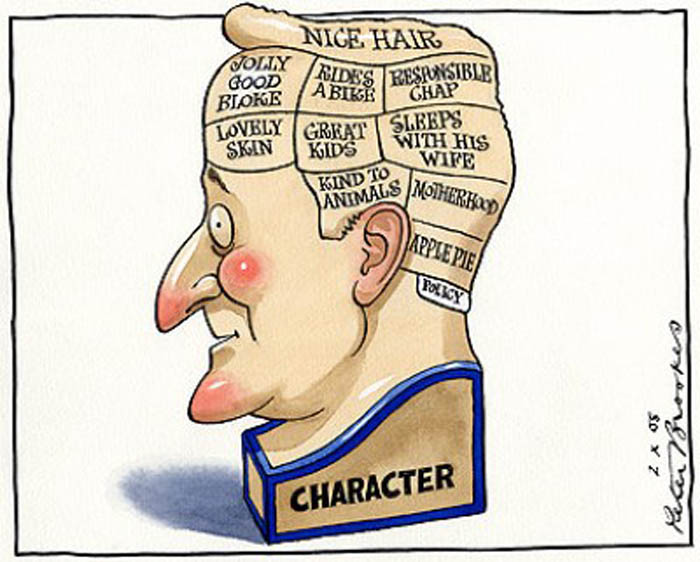
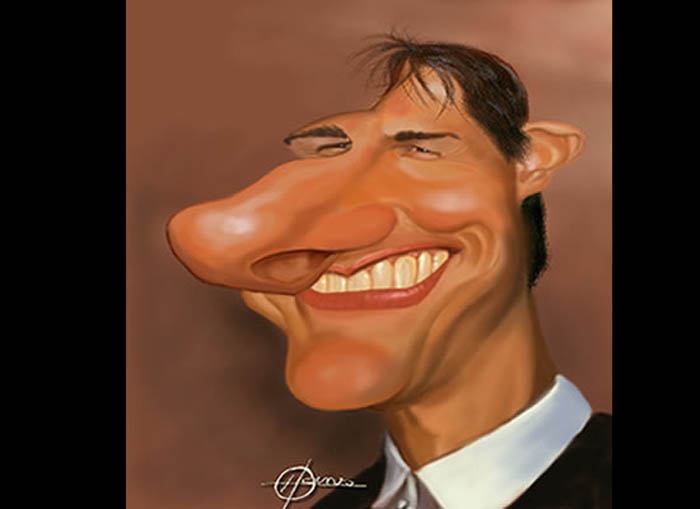
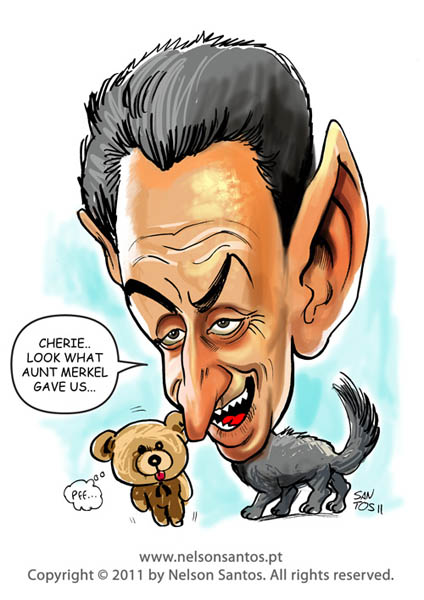
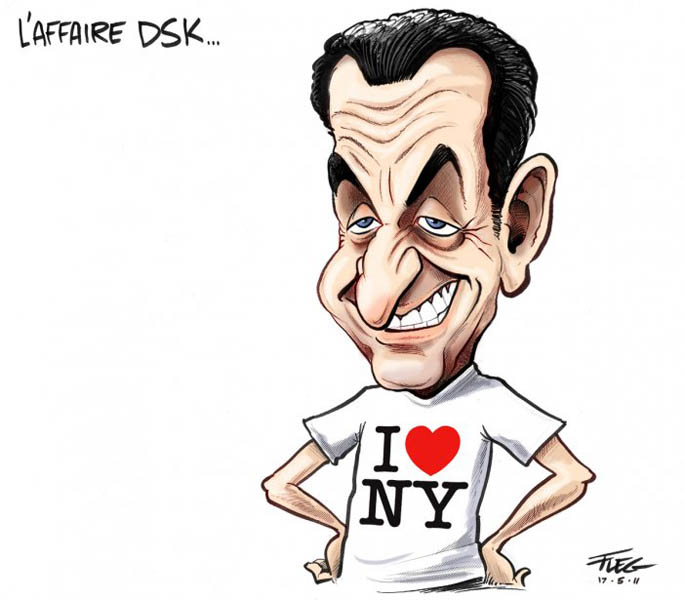
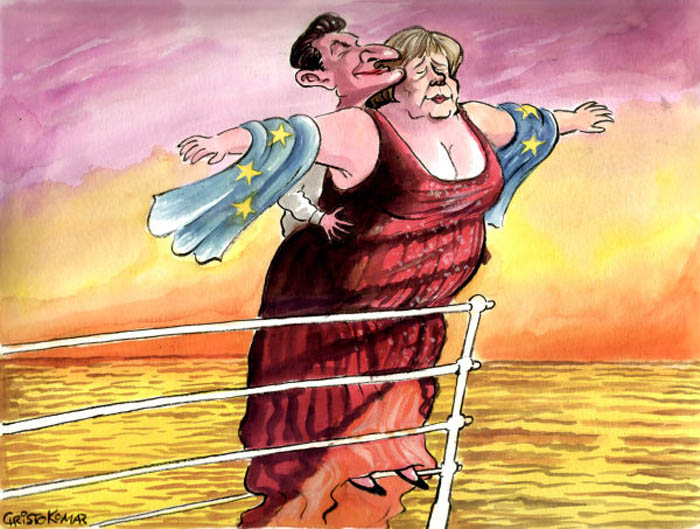
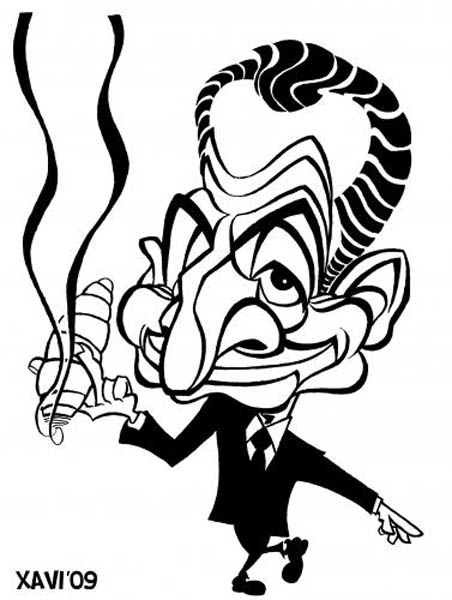
Exaggerating a nose is among the first things people think of when asked how a caricature differs from an ordinary portrait. Has Europe forgotten that convention?
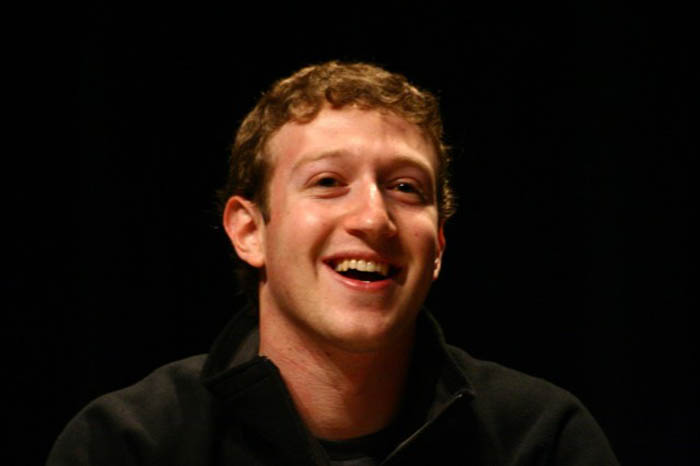
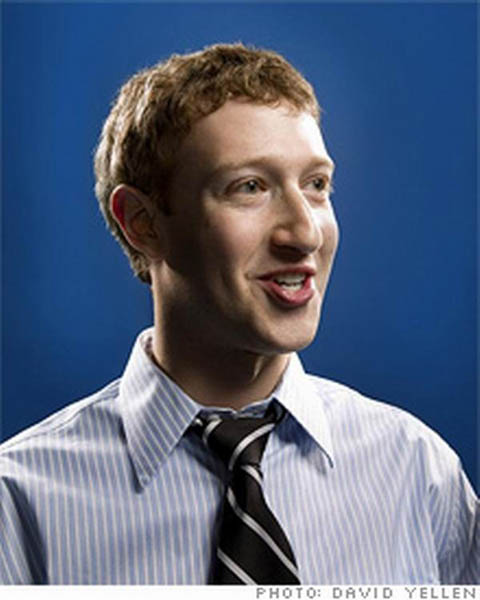
Many artists have drawn non-Jewish public figures with exaggerated noses without provoking similar protests, including people whose noses the author finds less striking than Zuckerberg’s. The accompanying gallery shows photographs alongside caricatures.